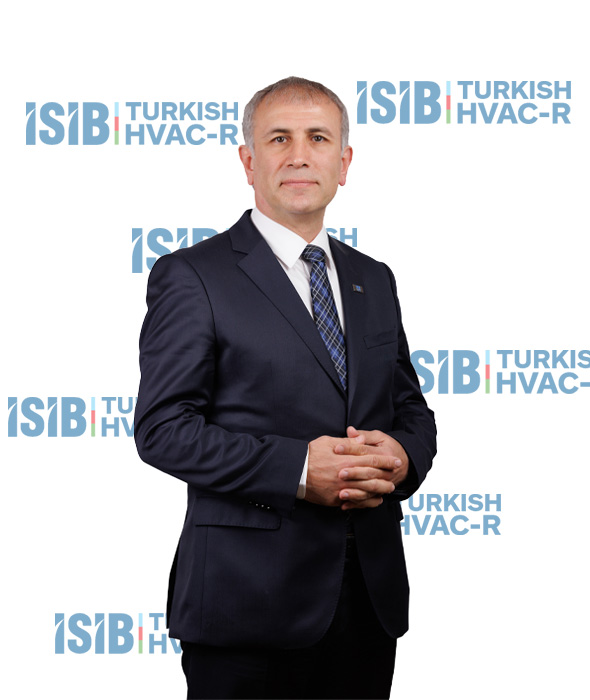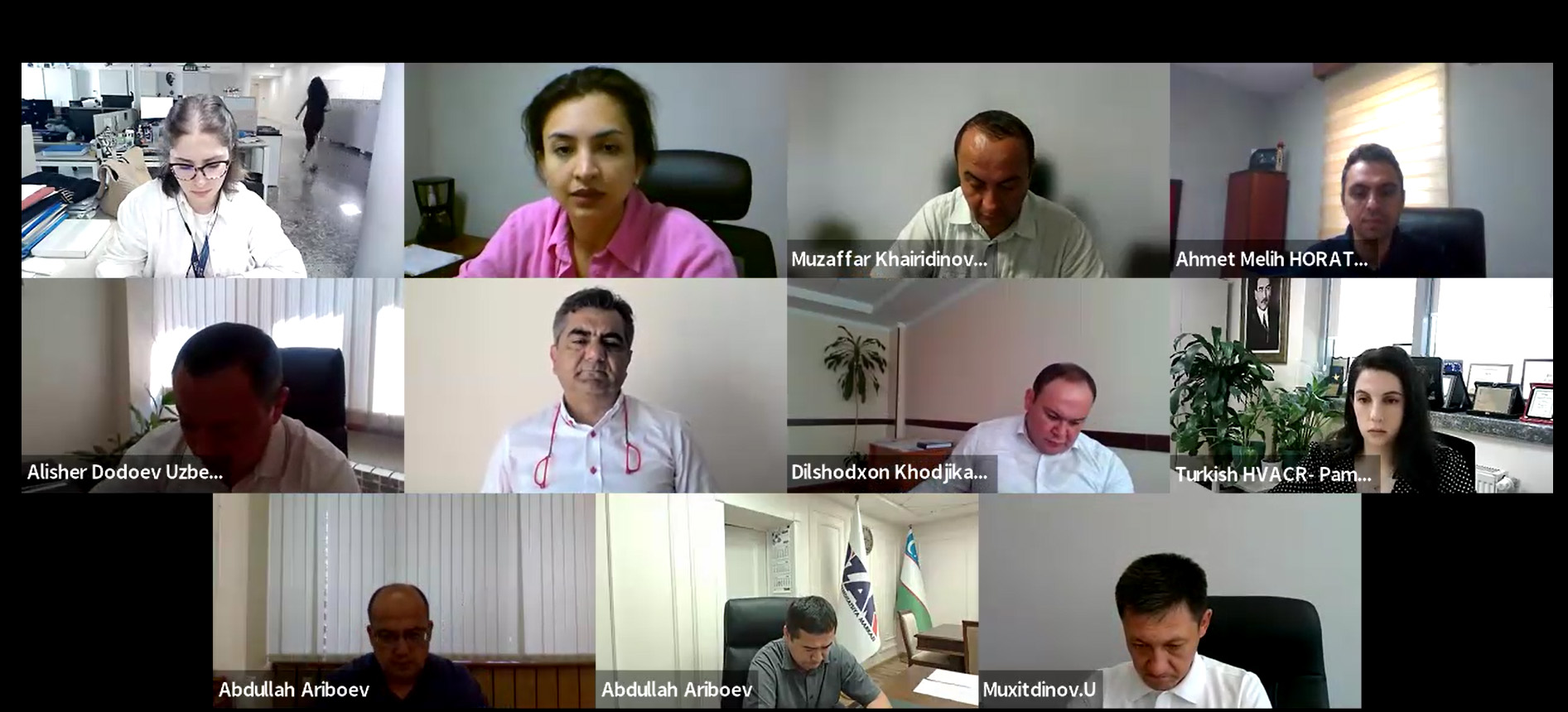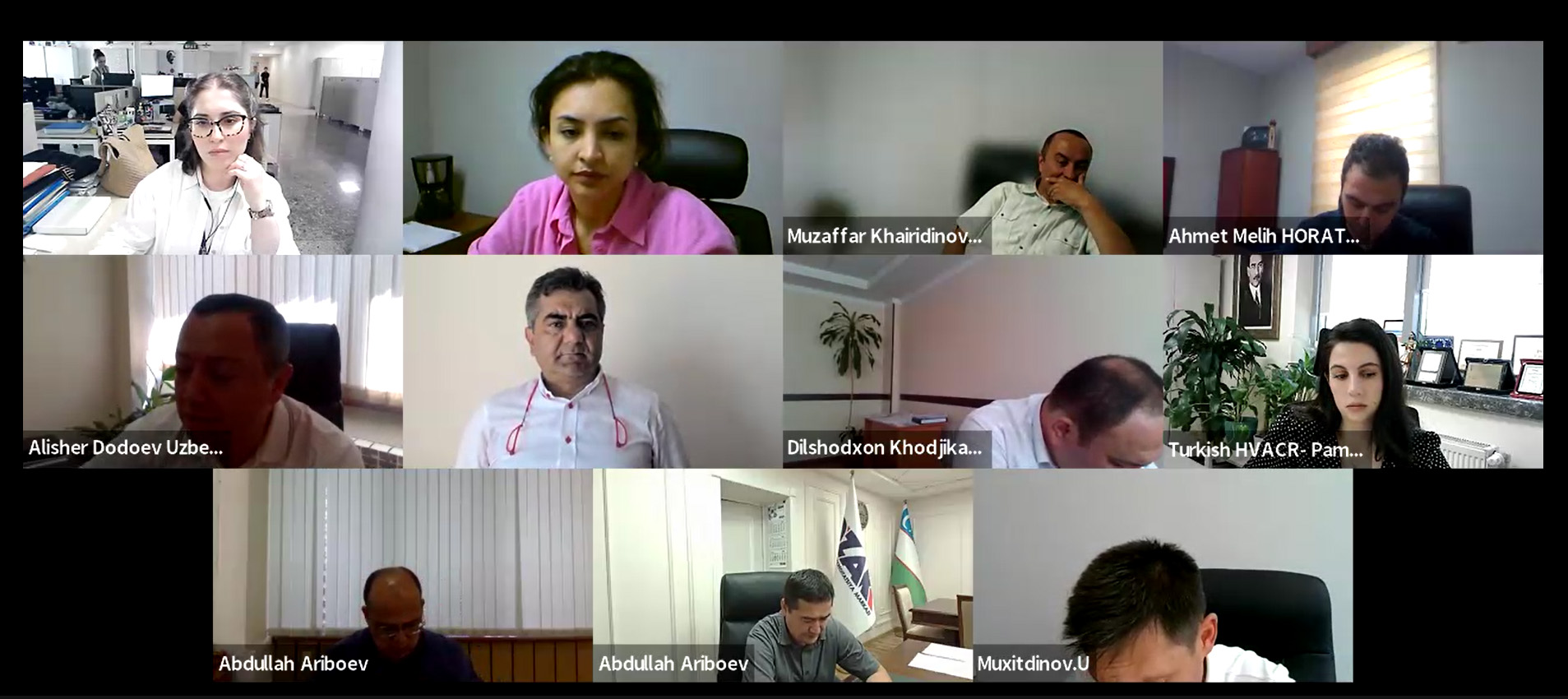

At the “Uzbek Technical Regulation Agency Webinar,” organized in cooperation with the Air Conditioning Industry Exporters’ Association (İSİB) and the Republic of Türkiye’s Trade Office in Uzbekistan, energy efficiency policies and practices were discussed. In his opening remarks, İSİB Chairman Mehmet Şanal underscored Türkiye’s critical role as Uzbekistan’s fourth-largest trading partner and emphasized that energy efficiency is a strategic priority for both nations.
During the meeting, it was announced that a decree has come into force requiring that 18 product categories with previously low energy-efficiency ratings—ranging from household washing machines to televisions, dishwashers, boilers, and air-conditioning units—may henceforth enter the market only with an “A-Class” label. The decree aims to raise the overall efficiency level of products offered and to reduce consumer costs.
Officials noted that performance testing of central heating boilers and HVAC systems is both costly and time-consuming. Therefore, they stressed that products bearing internationally recognized performance declarations and certificates should not be subject to additional testing upon entry to Uzbekistan’s customs. It was further noted that similar procedures are applied by all countries in international trade.
The current state of testing and accreditation infrastructure and its challenges were also evaluated throughout the webinar. Participants highlighted the need to increase laboratory investments to ensure reliable performance testing, to maintain continuous calibration standards for technical teams, and to expedite international accreditation processes. It was suggested that, with support from the Turkish Standards Institute, these procedures could be further streamlined.
Coinciding with the new regulation, an e-declaration system will be launched to enable product compliance statements to be filed digitally. Integrated with customs and tax platforms, this system is expected to ensure uninterrupted data tracking and approval workflows, thereby accelerating processing times. This collaboration is anticipated to yield significant long-term benefits for both countries by raising energy-efficiency standards and expanding sustainable trade volume.